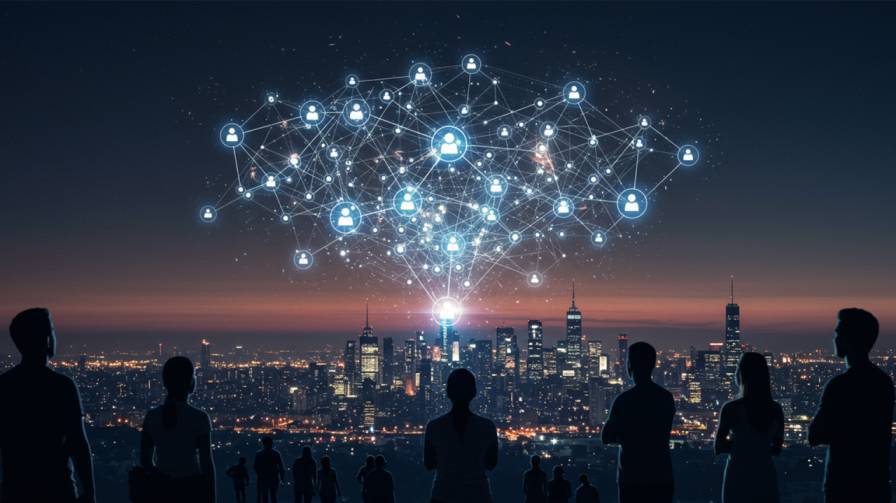
In recent years, decentralized social networks have been quietly gaining momentum as a viable alternative to traditional social media giants. Powered by blockchain technology and peer-to-peer (P2P) networks, these platforms promise something the mainstream players often struggle with – true control over your data, privacy, and freedom of expression.
But is the future truly decentralized? Let’s explore the pros and cons of this emerging shift.
The Pros
1. Data Ownership
In decentralized networks, users own their data. Instead of a centralized company monetizing your content and personal information, blockchain-based identities and storage give users the ability to decide what to share – and with whom.
2. Reduced Censorship
Without a single authority controlling content, decentralized platforms can offer greater freedom of speech. Content moderation is often community-driven or based on transparent protocols, reducing the risks of arbitrary takedowns or biased suppression.
3. Enhanced Privacy
Since decentralized platforms can operate without centralized servers, there’s a reduced risk of mass data breaches. Users are less exposed to surveillance, profiling, and targeted advertising.
4. Interoperability
Many decentralized projects embrace open standards and protocols allowing users to move their profiles, followers, and content between different platforms – something that’s almost impossible on traditional networks.
5. Incentivized Ecosystems
Blockchain technology enables token-based incentives, allowing users to earn rewards for their contributions, whether it’s posting content, moderating communities, or supporting the network.
The Cons
1. User Experience Challenges
Decentralized apps (dApps) often lag behind their centralized counterparts in terms of usability, design, and performance. The onboarding process can be intimidating for non-technical users.
2. Content Moderation Issues
While reduced censorship is a benefit, it also poses a challenge: who moderates harmful content? Decentralized platforms must walk a fine line between preserving free speech and curbing abuse, hate speech, or misinformation.
3. Scalability Concerns
Blockchain and P2P networks can struggle with scaling efficiently. High transaction costs, slower speeds, and limited bandwidth can hamper mass adoption unless innovations are applied.
4. Fragmentation
The decentralized world is vast and fragmented. With so many different protocols and platforms (Mastodon, Bluesky, Lens Protocol, Farcaster, etc.), there’s no unified place for users to gather like on Twitter or Facebook.
5. Regulatory Uncertainty
As governments grapple with the rise of decentralized systems, users and developers face legal grey areas. Future regulations could impact how these networks evolve and operate.
Usability, scalability, governance, and regulatory clarity are crucial challenges that must be addressed for decentralized platforms to move from the fringes to the mainstream.
One thing is clear: The era of “platform monopolies” is being questioned like never before. Whether decentralized social networks become the new norm or coexist alongside traditional platforms, the future of online interaction will undoubtedly be more dynamic, user-centric, and contested than ever before.